
How to Avoid Dry Sockets
Serving Patients in Vancouver WA
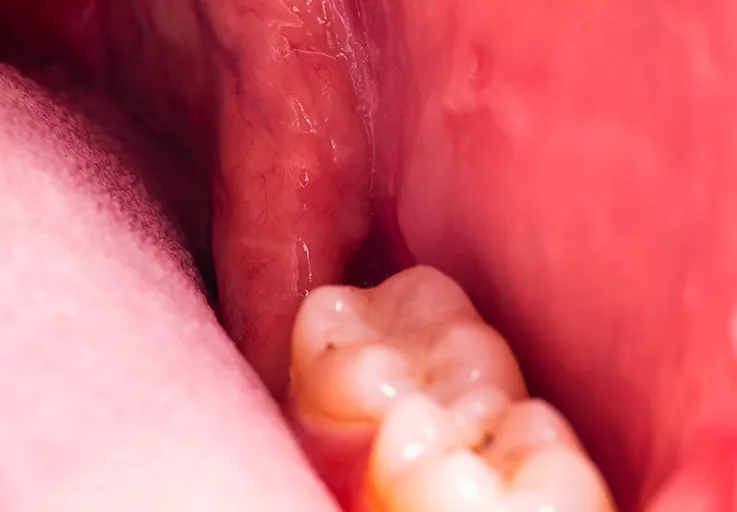
If you have a tooth extraction on the calendar, you may have already heard the whispered warnings from friends and family members. “Whatever you do, make sure you don’t get a dry socket.” And you can probably tell by the pain in their eyes when they say it – they mean it. Because dry sockets hurt.
So, how do you avoid a dry socket? The good news is that there are several things you can do (and not do) to reduce the risk.
What Is a Dry Socket?
After a tooth extraction, your body begins the healing process by forming a blood clot in the empty space, or “socket,” where the tooth used to be. This clot is like a natural bandage – it protects the underlying bone and sensitive nerve endings while the gum tissue regenerates.
A dry socket, also known as alveolar osteitis, happens when the protective blood clot doesn’t form, dissolves too early, or is accidentally dislodged. This leaves the bone and nerves “dry” and exposed to air, food particles, and fluids. This leads to major inflammation, delays the healing process, and causes significant pain in the area.
How Do You Prevent Dry Sockets?
As anyone who has ever endured the pain and discomfort of a dry socket can confirm, this is one of those instances where an ounce of prevention is worth a pound of cure. Taking good after-care and following your dentist’s instructions to the letter is the best way to ensure the protective clot stays where it belongs.
To minimize the risk of a dry socket, be sure to:
- Get plenty of rest: Resting promotes healing, so especially for the first 24 hours, keep your physical activity to a minimum. Increasing your heart rate can also increase blood pressure, which can disturb the clot site.
- Stay hydrated: Drink plenty of water. But don’t use a straw – sip directly from the glass.
- Eat soft foods only: Stick to yogurt, apple sauce, mashed potatoes, soups, and other foods of that nature. Chewing can dislodge the clot.
- Gently stay on top of hygiene: Keep your mouth clean, but avoid brushing directly over the clot for the first day or two. When rinsing, don’t spit – lean over the sink and let the water fall out of your mouth.
- Listen to your dentist: Your dentist knows best. They may have additional specific instructions for you to follow. It’s absolutely critical that you do what they say.
CURIOUS ABOUT YOUR NEXT STEPS?
Click the button below to leave your name and number and we’ll call you back.What Increases Your Risk of a Dry Socket?
While following the tips above can reduce your risk of dry socket, some factors can significantly increase it. Avoid doing any of these while your tooth extraction is healing:
- Drinking with a straw: Straw-related accidents are one of the most common causes of dry sockets. The suction created when using one can physically pull the clot out of the socket.
- Tobacco use: From the nicotine interrupting blood flow, the act of inhaling, or the smoke itself, there are a number of reasons why smoking and vaping are no-nos after a tooth extraction.
- Spitting: Can easily dislodge the clot in a similar way to drinking through a straw.
- Not brushing your teeth: Bacteria buildup around the site can cause the clot to break down or even lead to infection.
What Does a Dry Socket Feel Like?
A dry socket brings a sharp, throbbing pain that radiates from the extraction site. It can spread to other parts of your face, including your ear, eye, or temple.
If you were to run your tongue gently near the area (try to avoid doing this intentionally), you may notice a hole. You may also have an unpleasant metallic or bloody taste in your mouth that won’t go away. Or you may experience bad breath that persists even after you brush your teeth.
How to Treat a Dry Socket
If you think you have a dry socket, contact your dentist. They can advise you on what to do next. Generally, some tips that can help alleviate pain and facilitate the healing process include:
- Professional dressing: If the pain is really bad, your dentist may be able to help by providing a pain-relieving gel or dressing in the socket.
- Saline rinses: Gently flush the area with warm salt water. This can clear food particles or debris that may be irritating the nerves or bone.
- Cold compresses: Cold can reduce the inflammation and help numb the ongoing pain.
How Long Does a Dry Socket Take to Heal?
About a week to ten days – for the worst phase of a dry socket to heal.
This is how long it takes for the new tissue to grow over the exposed extraction site. Once this happens, the discomfort will mostly subside. However, it may still take several additional weeks to fill the extraction site.
Can a Dry Socket Cause Other Complications?
Like any surgery, there’s the possibility of infection and other complications, but it’s rare.
One of the most serious possibilities is a painful bone infection called osteomyelitis. While this can be serious and even fatal if untreated, antibiotics often make it go away.
The other major risk of a dry socket is that it delays the healing process, which can be an issue if you have follow-up dental work planned, like getting dentures or dental implants.
We Offer Tooth Extractions in Vancouver WA
A tooth extraction or wisdom tooth extraction doesn’t have to be a source of anxiety. At Lewis Family & Implant Dentistry, our goal is to provide a seamless experience from the moment you walk into our clean, state-of-the-art office until the day your recovery is complete. By combining our clinical expertise with the latest dental technology, we ensure that every procedure is performed with precision and care.
If you’re looking for a dental practice that prioritizes your comfort and provides the education you need on how to avoid dry sockets, we’re here to help.
Ready for your consultation? Contact Lewis Family & Implant Dentistry today to schedule teeth extractions in Vancouver WA!
Back to Teeth Extraction